Stories of Chanderi

Explore the heritage, weaving techniques, and tales behind our sarees.

The Complete History & Royal Heritage of Chanderi Weaving: Madhya Pradesh's Timeless Textile Legacy
September 19, 2026
The Complete History & Royal Heritage of Chanderi Weaving: Madhya Pradesh's Timeless Textile Legacy

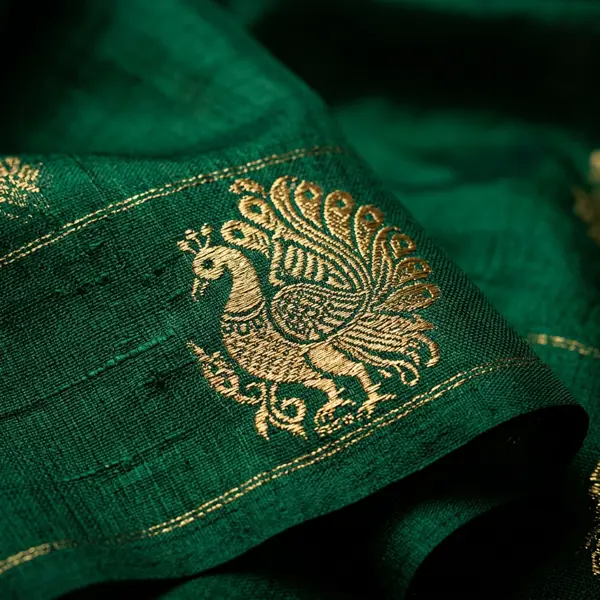
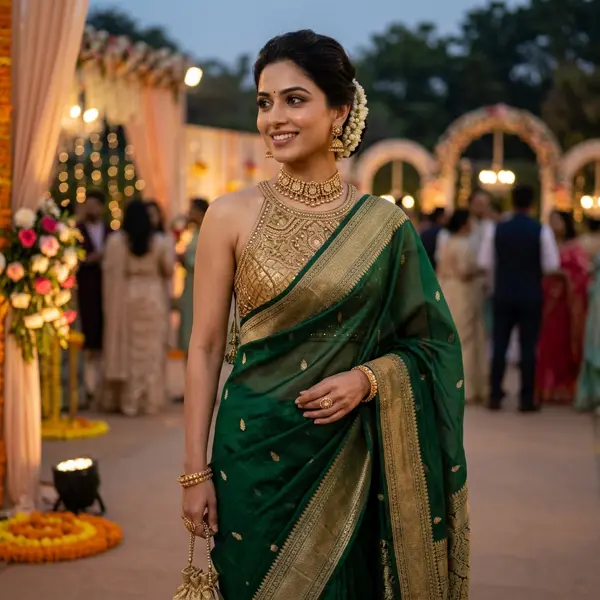
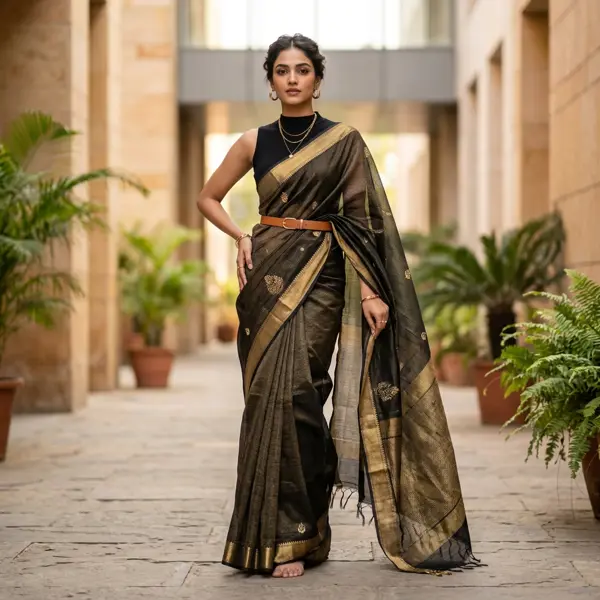
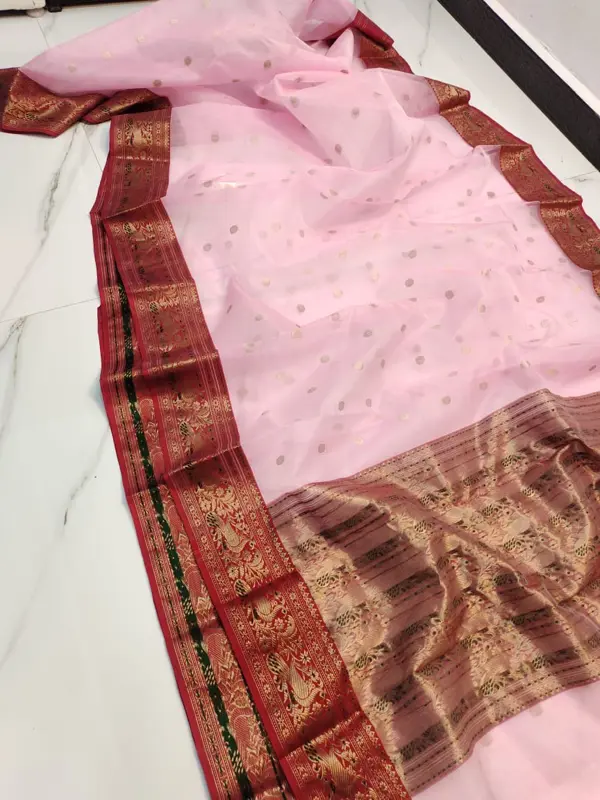
The Complete History & Royal Heritage of Chanderi Weaving: Madhya Pradesh's Timeless Textile Legacy Nestled in the heart of Madhya Pradesh, the ancient town of Chanderi is not merely a geographical location; it is a living tapestry woven with centuries of history, royal patronage, and unparalleled craftsmanship. The very name 'Chanderi' evokes images of ethereal beauty, delicate transparency, and the shimmering allure of gold zari. This exquisite handloom tradition, proudly bearing the Geographical Indication (GI) tag, is more than just a fabric; it is a legacy passed down through generations, a testament to India's rich textile heritage. At Numaya Chanderi, we are dedicated to preserving and celebrating this royal craft, bringing its timeless elegance to connoisseurs worldwide. Join us on a captivating journey through time as we delve into the complete history and royal heritage of Chanderi weaving, exploring its ancient roots, its flourishing under various dynasties, and its enduring appeal in the modern world. The Ancient Roots: Tracing Chanderi's Origins The origins of Chanderi weaving are shrouded in a mystical blend of legend and historical fact, pointing to a lineage that stretches back millennia. Mythological & Early Historical Mentions Vedic Era Echoes: Some historians suggest that the fine muslins of Chanderi might have been known even during the Vedic period, hinting at an ancient tradition of weaving delicate fabrics in Central India. Mahabharata Connection: Local lore often links Chanderi to the Mahabharata era, suggesting that the region, then known as Chedi, was ruled by King Shishupala, and its textiles were already renowned. Early Trade Routes: Situated strategically on ancient trade routes, Chanderi naturally became a hub for exquisite textiles, attracting merchants and patrons from far and wide. The Rise of a Royal Craft While its ancient roots are debated, Chanderi truly began to flourish under the patronage of powerful dynasties, transforming from a local craft into a royal emblem. Malwa Sultanate (13th-15th Century): The Malwa Sultanate played a pivotal role in nurturing the weaving community. It was during this period that the distinct Chanderi style, characterized by its sheer texture and intricate motifs, began to take definitive shape. Mughal Patronage (16th-18th Century): The Mughal era, particularly under Emperor Akbar, marked a golden age for Indian textiles. Chanderi weavers received significant royal patronage, leading to the integration of Persian-inspired motifs and a further refinement of weaving techniques. The demand for these luxurious fabrics for courtly attire and royal gifts propelled Chanderi to national prominence. The Golden Age of Chanderi: Under Maratha & Scindia Patronage The decline of the Mughal Empire did not diminish Chanderi's allure; instead, new patrons emerged, ushering in another era of innovation and grandeur. Maratha Influence & Textile Innovation As the Marathas rose to power in Central India, they recognized and continued to support the Chanderi weaving tradition. This period saw a subtle evolution in design and color palettes, reflecting Maratha aesthetic sensibilities while retaining the core essence of Chanderi. The Scindia Dynasty's Enduring Legacy The 18th to 20th centuries witnessed the Scindia dynasty of Gwalior becoming the most significant patrons of Chanderi. Their unwavering support cemented Chanderi's status as a royal textile. Maharajas and Maharanis commissioned bespoke sarees and fabrics, encouraging weavers to experiment with new designs, intricate zari work, and a wider range of colors. The Rani Ruby with Antique Gold Buttis and Border Kataan Silk exemplifies the vibrant hues and rich zari work favored by royalty, a testament to the Scindia era's influence. It was during this time that the blend of silk and cotton, and later pure silk, became more prevalent, adding to the fabric's luxurious drape and sheen. The Scindias' patronage ensured that Chanderi weaving not only survived but thrived, becoming synonymous with regal elegance and sophisticated taste. Evolution of Craftsmanship: Techniques, Materials, and Motifs The enduring appeal of Chanderi lies in its unique blend of materials, meticulous techniques, and a rich vocabulary of motifs, each telling a story. The Signature Sheen: Silk, Cotton, and Zari Gossamer transparency and tested pure gold zari booti: The signature hallmark of Madhya Pradesh master handloom weavers. Original Chanderi: Traditionally, Chanderi was woven from extremely fine hand-spun cotton, producing a fabric as light as air with a remarkable transparency. The Silk Revolution: The introduction of silk, often blended with cotton (Chanderi Cotton Silk) or used purely (Chanderi Silk), transformed the fabric. The silk yarns impart a characteristic sheen and strength, while the cotton retains its breathability. The Magic of Zari: The hallmark of a Chanderi saree is its exquisite zari work. Historically, pure gold and silver threads were used, lending an unparalleled richness. Today, high-quality metallic zari is predominantly used, meticulously woven into the fabric to create dazzling patterns. The Emerald and Midnight Blue with Antique Gold Floral Booti Kataan Silk perfectly showcases this intricate zari artistry. Iconic Motifs and Designs Chanderi motifs are a delightful fusion of nature, architecture, and cultural symbols, each painstakingly hand-woven. Floral & Fauna: 'Asharfi' (gold coin), 'Butti' (small floral motifs like 'Paan' or 'Chatai'), 'Keri' (paisley), 'Jangla' (intricate floral vines), 'Mor' (peacock), 'Hans' (swan). Geometric & Architectural: 'Chaupat' (cross-stitch), 'Nalferma' (geometric patterns), 'Jali' (lattice work inspired by Mughal architecture). Borders & Pallus: The borders ('kinari') and pallus ('anchal') are often the most elaborate parts, featuring rich zari work and complex designs that frame the saree's delicate body. Chanderi Today: Preserving a Living Heritage In an age of mass production, Chanderi weaving stands as a beacon of artisanal excellence, its future secured by dedicated efforts and a growing global appreciation. The GI Tag and Its Significance The Geographical Indication (GI) tag awarded to Chanderi sarees is crucial. It legally protects the unique identity of Chanderi textiles, ensuring that only products genuinely originating from Chanderi and adhering to traditional methods can bear the name. This not only safeguards the livelihoods of thousands of weavers but also assures customers of the authenticity and superior quality of their purchase. Numaya Chanderi is committed to offering only GI-certified, authentic Chanderi sarees, directly supporting the weaving community. Modern Adaptations & Global Appeal While deeply rooted in tradition, Chanderi has gracefully adapted to contemporary fashion sensibilities. Designers are experimenting with new color combinations, lighter drapes, and innovative applications beyond the traditional saree, such as dupattas, stoles, and even contemporary apparel. Yet, the essence of Chanderi – its sheer elegance, luxurious feel, and intricate zari – remains untouched. The Vermillion Blush and Rani Pink with Delicate Gold Zari Buttis Kataan Silk exemplifies this beautiful blend of traditional motifs with a modern, vibrant palette, making it perfect for today's discerning wearer. Styling & Buying Tips for Your Chanderi Masterpiece Owning a Chanderi saree is an experience, a connection to centuries of artistry. Here are some tips to help you cherish and style your timeless piece: Versatility: Chanderi sarees are incredibly versatile. Their lightweight nature makes them perfect for both formal occasions and elegant daily wear. Dress them up with traditional jewelry or keep it minimal for a chic, understated look. Care: Due to their delicate nature, Chanderi sarees are best dry-cleaned. Store them carefully, wrapped in muslin cloth, to protect the zari and fabric. Authenticity: Always look for the GI tag and the handloom mark to ensure you are purchasing a genuine Chanderi product. At Numaya Chanderi, every piece is a promise of authenticity and quality. Support Weavers: By choosing authentic handloom Chanderi, you directly contribute to the sustenance of this ancient craft and the livelihoods of the skilled artisans who dedicate their lives to it. The history of Chanderi weaving is a vibrant narrative of resilience, artistry, and royal patronage. From the ancient courts of kings to the modern runways, Chanderi has retained its unique charm, continuing to captivate hearts with its unparalleled elegance. At Numaya Chanderi, we invite you to explore our curated collection and become a part of this living legacy. Frequently Asked Questions (FAQ) about Chanderi Weaving Q1: What makes Chanderi fabric unique and special? A1: Chanderi fabric is renowned for its sheer transparency, lightweight texture, and luxurious feel, achieved by weaving fine silk and cotton yarns with intricate zari work. Its unique blend of traditional motifs and royal heritage sets it apart as a truly special handloom textile. Q2: How can I identify an authentic Chanderi saree? A2: Authentic Chanderi sarees typically carry the GI (Geographical Indication) tag, ensuring their origin and traditional craftsmanship. Look for the characteristic sheer texture, the fine quality of silk or cotton, and the intricate, often traditional, zari motifs that are hand-woven into the fabric. The feel of the fabric and the precision of the weave are also key indicators. Q3: What is the historical origin of Chanderi sarees? A3: The history of Chanderi weaving dates back to ancient times, with some references linking it to the Vedic period. It truly flourished under the patronage of the Malwa Sultanate, the Mughal emperors, and most significantly, the Scindia dynasty of Gwalior, who elevated it to a royal textile. The craft originated and continues to thrive in the town of Chanderi in Madhya Pradesh, India.

Tissue Silk vs. Katan Silk vs. Cotton Silk: Which Chanderi Saree is Best for Your Occasion?
May 31, 2026
Tissue Silk vs. Katan Silk vs. Cotton Silk: Which Chanderi Saree is Best for Your Occasion?

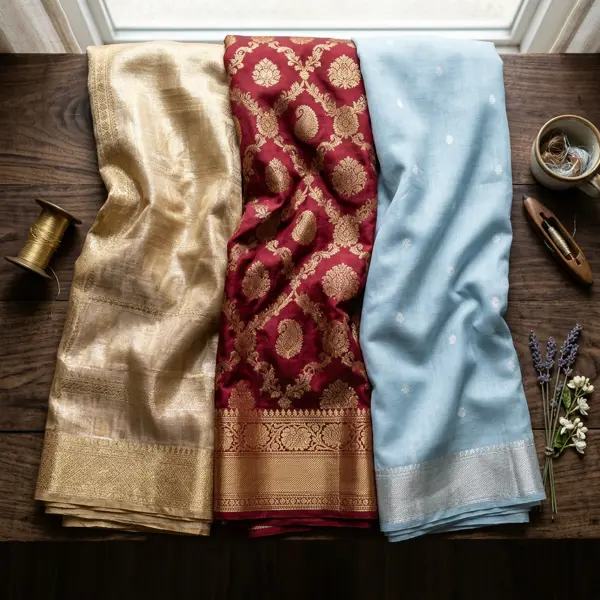
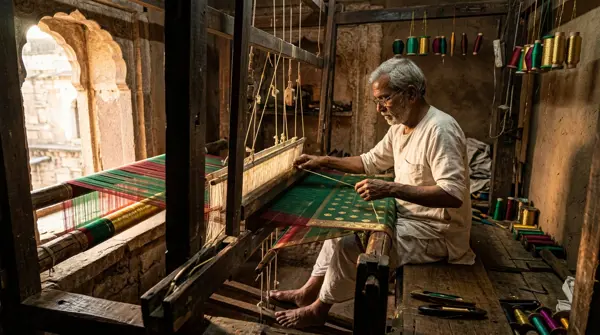
Chanderi sarees are known worldwide for their sheer texture, lightweight feel, and luxurious drape. Originating from the historical town of Chanderi in Madhya Pradesh, these sarees have adorned Indian royalty for centuries. However, when buying an authentic handloom Chanderi saree online, one of the most common dilemmas buyers face is choosing the right fabric variant. The three most popular types of Chanderi sarees are Katan Silk, Tissue Silk, and Cotton Silk. While they all share the iconic Chanderi weaving heritage, their texture, shine, and ideal wearing occasions differ significantly. Let’s break down the differences so you can make the perfect choice for your next grand event. Quick Comparison: Katan vs. Tissue vs. Cotton Silk Feature Katan Silk Tissue Silk Cotton Silk Shine Rich, Natural Lustre High Metallic Glow Subtle & Matte Weight & Feel Slightly Heavier, Very Soft Stiff but Ultra-Light Lightweight & Breathable Drape Flowy & Body-Hugging Crisp & Voluminous Easy to Pleat Best Occasion Bridal Trousseau, Grand Receptions Night Parties, Festivities Day Weddings, Office Wear 1. Katan Silk Chanderi: The Royal Opulence Katan silk is crafted by twisting two or more silk filaments together to create a pure, highly durable silk yarn. When woven into a Chanderi saree, the result is a fabric that possesses a stunning, rich natural luster. Unlike the sheer transparency associated with traditional Chanderi, Katan silk is slightly more opaque and boasts a velvety softness. Why Choose It: If you are looking for an heirloom piece that exudes royalty and luxury, Katan silk is unmatched. It feels buttery soft against the skin. When to Wear: Perfect for close family weddings, bridal trousseaus, and grand traditional ceremonies. 2. Tissue Silk Chanderi: The Golden Glow Tissue silk is where the magic of Zari comes alive. In Tissue Chanderi sarees, fine Zari threads (metallic threads) are intricately woven along with the silk yarn in the warp or weft. This gives the entire saree a metallic, glass-like sheer texture that shimmers beautifully under lighting. Why Choose It: Tissue silk has a naturally crisp texture, meaning it holds its shape exceptionally well and gives a voluminous look when draped. It is the ultimate statement maker. When to Wear: Night-time receptions, Diwali parties, and high-glamour festive occasions where you want to stand out. 3. Cotton Silk Chanderi: The Everyday Elegance Cotton Silk (also known as Sico) is the perfect hybrid. By blending the durability and breathability of cotton with the soft sheen of silk, weavers create a fabric that is incredibly comfortable for long hours. It maintains the signature sheer look of Chanderi but with a more understated, elegant matte finish. Why Choose It: It is incredibly easy to drape, pleat, and maintain. If you live in a hot or humid climate, Cotton Silk is a lifesaver. When to Wear: Summer day weddings, formal office parties, and casual festive get-togethers. The Final Verdict: Which One Should You Buy? Your choice ultimately depends on the occasion and your personal style preference. If you want a heavy, luxurious drape, go for Pure Katan Silk. If you want to shimmer and turn heads at a night event, Tissue Silk is your best bet. And if you prefer breathable comfort without sacrificing elegance, Cotton Silk is the perfect addition to your wardrobe. At Numaya, every Chanderi saree we offer is an authentic, handwoven masterpiece directly sourced from our master weavers. Explore our exclusive collections today and bring home a piece of 12th-century heritage.

The Ultimate Guide: How to Wash and Store Your Pure Silk Chanderi
May 23, 2026
The Ultimate Guide: How to Wash and Store Your Pure Silk Chanderi

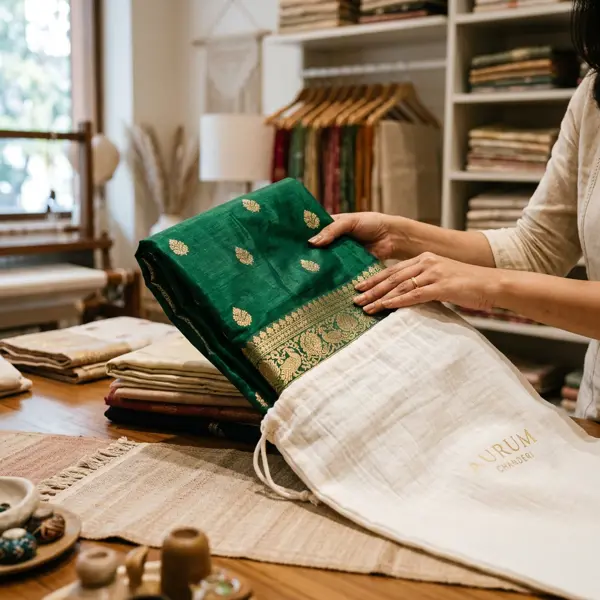
A pure Chanderi saree is more than just a piece of clothing; it is a delicate work of art passed down through generations. Whether you own a classic Katan Silk piece or a breezy Cotton Silk Chanderi, these handwoven masterpieces require a specific kind of love and attention. At our boutique, one of the most common questions we get from first-time buyers is: "How do I clean this without ruining the zari?" If you treat your Chanderi right, its golden motifs will shine just as bright twenty years from now. Here is exactly how we recommend caring for your handloom treasures. Washing Your Chanderi: Dry Clean or Hand Wash? Let’s set the record straight: Dry cleaning is always the safest option, especially for the first three washes. The chemicals used in dry cleaning prevent the pure silk threads and metallic zari from losing their natural luster. However, if you own a Cotton Silk blend and prefer washing it at home after a few uses, you can do so, provided you follow these strict rules: Never use harsh detergents or bleach. Use a mild, pH-neutral baby shampoo or a specialized silk liquid wash. Wash in cold water only. Hot water will permanently shrink the handloom weave. Do not soak the saree for more than 5 minutes. Never wring or twist the fabric. Gently squeeze the excess water out. Chanderi is a delicate weave; twisting will break the fine silk yarns. Drying and Ironing: The Danger Zones Sunlight is the biggest enemy of dyed silk. Always dry your Chanderi saree indoors, laid out flat on a clean towel or hung over a smooth, rust-free rod in a shaded, well-ventilated room. Ironing Pro-Tip: When ironing your Tissue Silk Chanderi, always keep the iron on the lowest "Silk" setting. More importantly, turn the saree inside out and place a thin cotton cloth between the iron and the saree. Direct heat will burn the pure zari threads and leave permanent black marks. The Secret to Storing Chanderi Sarees How you store your saree decides how long it will last. If you hang a heavy Chanderi saree on a standard hanger for months, the sheer weight of the zari borders will stretch and tear the delicate fabric at the shoulders. Fold, don't hang: Keep them neatly folded in your wardrobe. Use Muslin Bags: Never store silk in plastic covers or cardboard boxes. Plastic traps moisture (causing fungus), while cardboard attracts insects. Use a breathable, unbleached cotton or muslin cloth bag. Refold periodically: Every 3 to 4 months, take your saree out, let it breathe in a shaded room for a few hours, and fold it back along different crease lines to prevent the fabric from tearing at the folds. Natural Repellents: Keep dried neem leaves or cloves wrapped in a small cotton pouch in your wardrobe to naturally repel silverfish and moths. Final Thoughts Caring for handloom is an intentional, mindful process. It might seem like a bit of extra effort compared to machine-made garments, but when you unfold that pristine, shimmering saree for a special occasion years down the line, you’ll realize it was worth every second. Explore New Arrivals

The Unmatched Opulence of Pure Kataan Silk Chanderi: A Heritage Masterpiece
May 03, 2026
The Unmatched Opulence of Pure Kataan Silk Chanderi: A Heritage Masterpiece

When it comes to the crème de la crème of Chanderi weaving, nothing speaks of opulence quite like Pure Kataan Silk. Known for its distinctively crisp texture and a regal sheen that only pure silk can provide, the Kataan weave is a favorite among connoisseurs of high-fashion ethnic wear. The DNA of Kataan Silk Unlike the sheer and gossamer-like Pattu silk, Kataan Silk is made by twisting several silk filaments together to create a stronger, more resilient thread. This results in a fabric that has a magnificent fall and a structural elegance that makes it perfect for grand occasions like weddings and royal receptions. The Weaver’s Masterpiece In the looms of Chanderi, our master weavers spend weeks perfecting a single Kataan masterpiece. The hallmark of a Kataan Silk Chanderi is the density of the zari work. Whether it is a heavy border or intricate 'butidar' patterns scattered across the body, the zari stands out with a 3D-like effect against the deep hues of the silk. "Kataan Silk is the soul of Chanderi, reimagined for the modern queen who values both strength and beauty." Why is Kataan Silk Ranking Top in Search? As seen in recent search trends, more women are looking for authentic handloom sarees that offer longevity. Kataan Silk sarees are heirloom pieces. They don't just last a season; they are passed down from mother to daughter, growing more beautiful with every drape. How to Care for Your Kataan Saree To maintain the luster of your luxury Kataan silk, we recommend: Dry clean only to protect the natural silk proteins. Store in a breathable muslin bag away from direct sunlight. Refold the saree every few months to prevent permanent creases in the zari. Conclusion If you are looking for a saree that commands attention and honors tradition, look no further than our Kataan Silk Collection. Visit Numaya Chanderi and find your own piece of history today.

The Royal Pattu Silk of Chanderi: A Symphony of Gold and Gossamer
May 03, 2026
The Royal Pattu Silk of Chanderi: A Symphony of Gold and Gossamer

In the heart of India, where history whispers through the looms of Chanderi, a new masterpiece is taking center stage: the Royal Pattu Silk. Often referred to as the 'woven air' of royalty, these sarees are not merely garments; they are a legacy of fine craftsmanship that spans centuries. The Art of the Pattu Silk Weave What makes a Pattu Silk Chanderi saree so special? It is the delicate balance of high-twist silk and the sheer transparency that Chanderi is famous for. Unlike heavier silks, the Pattu variant offers a luminous sheen that rivals the morning sun, while remaining so light that it feels like a second skin. Intricate Silver & Gold Zari Motifs Each saree is adorned with motifs inspired by the flora and fauna of the Malwa plateau. From the majestic Elephant (Hathi) buthas to the delicate floral vines, every thread of silver and gold zari is hand-inserted using the ancient Nal Pherma technique. There are no loose threads here—just pure, seamless art. "To wear a Chanderi Pattu Silk is to wrap oneself in a thousand years of Indian heritage." Why Choose Authentic Handloom? In an age of fast fashion, an original Chanderi saree stands out as a sustainable and timeless investment. When you buy from Numaya Chanderi, you are supporting the master weavers of Madhya Pradesh who keep this dying art alive. Every purchase ensures that the rhythmic click-clack of the handloom continues to echo in the heritage clusters of Chanderi. Styling Your Heirloom Whether it is a grand wedding or an intimate festive gathering, the Cerise Pink and Fuchsia shades of our New Arrivals collection provide an opulent radiance. Pair them with traditional temple jewelry for a regal look, or keep it minimal with sterling silver accents to let the zari speak for itself. Conclusion The Royal Pattu Silk of Chanderi is more than a trend; it is a timeless heirloom. Experience the sheer luxury of authentic handloom and let your wardrobe tell a story of elegance, culture, and pristine silk. Explore our latest collection at Numaya Chanderi today.

The Timeless Essence of Original Chanderi Sarees
April 26, 2026
The Timeless Essence of Original Chanderi Sarees

The Timeless Essence of the Original Chanderi SareeIn the world of Indian ethnic grace, few garments possess the delicate sheer, the regal metallic sheen, and the feather-light drape of a pure Chanderi silk saree. Worn by royalty since the 12th century, this majestic fabric brings the golden warmth of tradition into the modern wardrobe. But in a market flooded with inexpensive machine-made replicas, how do you find the real magic, and more importantly, why is it worth every penny?Woven Poetry from the Weavers of Madhya PradeshAn authentic Chanderi is not just a piece of clothing; it is a legacy passed down through generations of master artisans. The intricate craft comes straight from the looms of the weavers of Madhya Pradesh, nestled in the historic core of India. These artisans spend grueling weeks handweaving every single thread. Using the traditional Nal Pherma (needle) technique, they interlock fine silk, cotton, and zari threads to create classic motifs—lotus buds, celestial peacocks, and geometric coins. Because these motifs are painstakingly inserted by hand without any loose jacquard threads on the back, the reverse side of an original Chanderi saree is nearly as flawless as the front.To drape a Chanderi is to wrap yourself in sheer gossamer, woven with the heartbeats of the weavers of Madhya Pradesh.How to Identify an Original Chanderi SareeBefore you buy Chanderi sarees online, it is crucial to recognize the authentic traits of genuine handloom:The Sheer Texture: True Chanderi is incredibly translucent due to the use of highly twisted, non-degummed silk yarn.The Motif Finish: Examine the backside of the buthas (motifs). Authentic handloom will not have long, loose hanging threads.The Weightless Drape: A genuine chanderi silk saree feels air-light and crisp against the skin, never heavy or rigorously stiff like synthetic poly-blends.The Silk Mark: Always look for trusted certifications or buy directly from verified brand custodians like Numaya.Understanding the Pure Chanderi Silk Sarees PriceOne of the most frequently asked questions we encounter is about value. What is the actual pure Chanderi silk sarees price, and why does it differ from what is often seen in local markets?An authentic, handloom silk Chanderi typically ranges from ₹4,500 to ₹25,000, depending on the complexity of the zari work (such as Ek-Nali or Do-Nali weaves), the purity of the silver/copper base in the zari, and the density of the threadwork. Cheap alternatives priced under ₹1,500 are almost certainly mechanized powerloom synthetics.When you invest in a pure handloom saree, you are not just paying for silk. You are paying for:The weeks of meticulous human labor.The pure, breathable materials that regulate body temperature.The survival of an ancient Indian handicraft.Conclusion: A Royal HeirloomWhether you're dressing for an opulent Indian wedding or a refined cultural evening, a deeply hued Chanderi silk drape is the ultimate canvas of sophistication. At Numaya, we bridge the gap between discerning collectors and the brilliant weavers of Madhya Pradesh.Protect the craft, honor the heritage, and experience true luxury. Buy your original Chanderi saree online today and embrace a masterpiece born from pure gold and pristine silk.

How to Identify Pure Chanderi Silk Saree: The Ultimate Guide (2026)
March 26, 2026
How to Identify Pure Chanderi Silk Saree: The Ultimate Guide (2026)

Chanderi sarees are celebrated worldwide for their sheer texture, lightweight feel, and opulent zari work. However, the surge in their popularity has flooded the market with power-loom replicas and synthetic blends. Here is a definitive guide from authentic weavers on how to identify a genuine masterpiece. 1. The Feel and Texture Test A pure Chanderi saree feels incredibly soft despite its slightly crisp finish. It’s significantly lighter than standard silk sarees. The authentic blend of silk and cotton yarns gives it a breathable, feather-light draping experience, perfect for long ceremonies. 2. Handloom Irregularities (The Mark of Authenticity) Instead of looking for perfection, look for the human touch. Power-loom sarees are perfectly uniform. However, a genuine handwoven saree on a traditional loom will have slight irregularities in the weave and the motifs. These tiny imperfections are the hallmark of true artistry. (Shop Similar: Dual Tone Rani Pink & Coral Orange Kataan Silk Saree) 3. The Sheer Gloss (Transparency Test) Hold your saree against the light. Pure Chanderi has a distinct transparency and a subtle, natural sheen because of the untreated raw silk thread used in its warp. Fake ones reflect unnaturally bright, plastic-like gloss. 4. Evaluate the Zari Motif (Butti) Check the back of the saree carefully. In an authentic Chanderi, the gold or silver zari motifs are intricately woven directly into the fabric, meaning the reverse side of the motif should look nearly as clean and flat as the front. Replicas often have dangling, loose threads at the back. Conclusion Investing in a pure Chanderi saree is preserving centuries of Indian textile heritage. Always buy from trusted sources who work directly with weaving clusters. Explore our 100% Certified Collection to experience uncompromised authenticity.

Why Bollywood Celebrities Love Handloom Chanderi Sarees
March 26, 2026
Why Bollywood Celebrities Love Handloom Chanderi Sarees

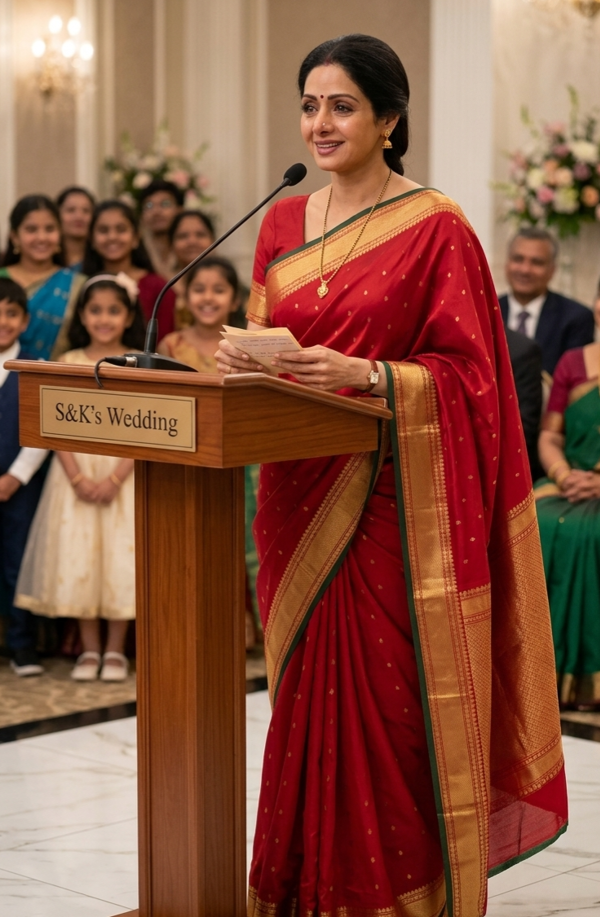
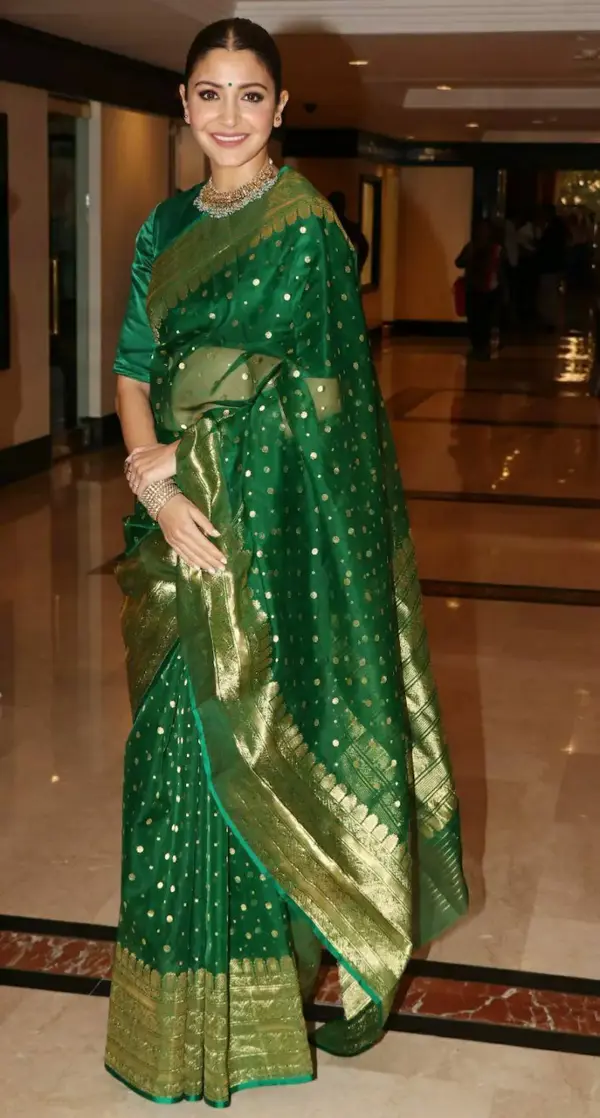
From Anushka Sharma's iconic green saree to Sridevi's legendary traditional reds, Bollywood's romance with the Chanderi Handloom is a tale as old as time. In an era dominated by heavy designer lehengas, top celebrities are returning to their roots. But why? 1. The Illusion of Effortless Grace Unlike heavy georgette or stiff pure Banarasi silks, a Chanderi saree provides a structured, yet effortless drape. It sits perfectly on the shoulder and creates an elegant, slim silhouette. See our collection to experience this effortless drape. 2. Heritage Over Fast Fashion Actresses are making fashion statements to promote sustainable, indigenous craft. Wearing a hand-woven masterpiece from Madhya Pradesh highlights a commitment to preserving Indian artistry. 3. Perfect for Paparazzi The subtle sheen of pure silk mixed with cotton catches camera flashes beautifully without being overly reflective. It exudes refined opulence, or what fashion critics now call "Quiet Luxury." Recreate the Look You don't need a celebrity budget to wear a masterpiece. Explore our (Shop Similar: Deep Wine with Antique Zari Pattu Silk Saree) and step into pure cinematic elegance.

Top 5 Trending Colors in Chanderi Sarees for Weddings
March 26, 2026
Top 5 Trending Colors in Chanderi Sarees for Weddings

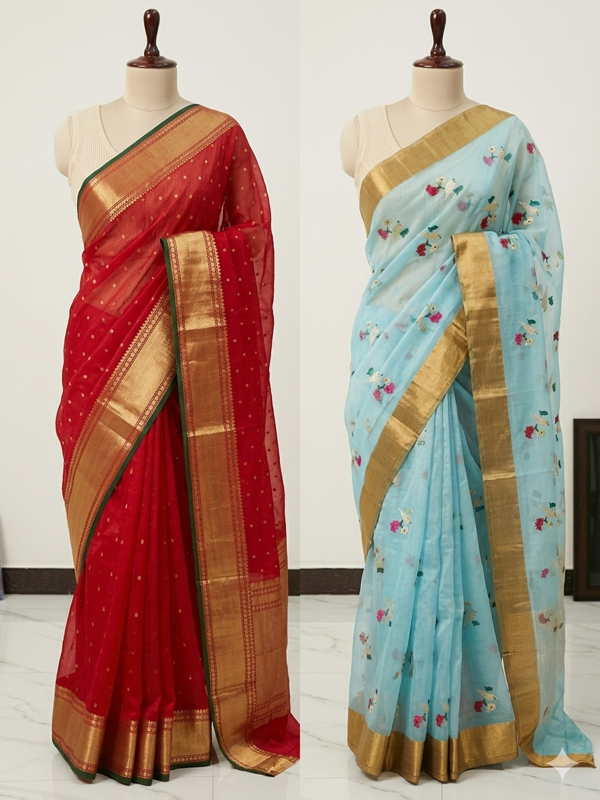
The timeless Chanderi saree has redefined modern wedding fashion. Brides and wedding guests are moving away from heavily embellished fabrics, embracing the sheer, lightweight luxury of pure Chanderi. Here are the top 5 trending shades ruling the wedding circuit this season. 1. The Royal Katan Red Nothing screams traditional luxury louder than a deep red. Often styled by Bollywood celebrities for temple visits and festive occasions, the pure red paired with broad gold zari borders is the ultimate showstopper. (Shop Similar: Deep Wine with Antique Zari Pattu Silk Saree) 2. Ethereal White & Gold White and off-white Chanderi sarees with heavy golden motifs represent purity and class. Perfect for daytime Haldi or elegant evening receptions, this color palette brings out a subtle glow on the wearer. 3. The Anushka Pastel Green Green Chanderi has seen a massive surge in demand. From deep emeralds to soft pistachios, this versatile color compliments almost every Indian skin tone beautifully. 4. Shimmering Soft Pink (Tissue Silk) If you love a glamorous, metallic finish, a Tissue silk is a must-have. The metallic yarn woven alongside silk gives the saree an inherent glow, perfect for capturing under wedding lights. (Shop Similar: Plum Purple with Emerald Green Kataan Silk Saree) 5. Midnight Blue & Silver For those making bold fashion statements, deep midnight blue woven with contemporary silver (instead of gold) zari is currently dominating the luxury ethnic market. It presents a stark, modern contrast while rooted in deep tradition. Final Thoughts Color is the soul of a Chanderi drape. View our latest Handloom Arrivals to find a shade that mirrors your personal style.

Beyond Basic Blouses: Top 10 Trending Designs to Elevate Your Chanderi Saree for Unforgettable Weddings
March 18, 2026
Beyond Basic Blouses: Top 10 Trending Designs to Elevate Your Chanderi Saree for Unforgettable Weddings

The whisper of Chanderi silk against the skin, the delicate sheen of its zari, the ethereal drape that dances with every movement – a Chanderi saree is not merely attire; it is an heirloom, a testament to India's rich weaving heritage, and a canvas for unparalleled elegance. For the discerning luxury shopper, a handloom Chanderi is an investment in artistry, a piece that transcends trends to embody timeless grace. But even the most magnificent Chanderi finds its true voice, its ultimate expression, in the embrace of a perfectly sculpted blouse. At weddings, where every detail matters and every ensemble tells a story, your blouse choice can transform your Chanderi from beautiful to breathtaking. Step beyond the conventional and discover the top 10 trending blouse designs that promise to elevate your Chanderi saree to an unforgettable crescendo of style. As we delve into these exquisite designs, remember that the magic lies in harmonizing the blouse's character with the Chanderi's inherent lightness and intricate detailing. Whether it's the subtle shimmer of a classic Chanderi silk or the rich texture of a Chanderi Pattu, the right blouse amplifies its allure, crafting a look that is both traditional and utterly contemporary. The Art of Pairing: Unveiling the Top 10 Trending Blouse Designs for Chanderi Sarees 1. The Regal High-Neck with Intricate Embroidery For an aura of understated grandeur, the high-neck blouse is an undisputed champion. Imagine a high collar, perhaps adorned with delicate zardozi, sequin work, or even intricate thread embroidery mirroring the motifs on your Chanderi. This design exudes sophistication and is perfect for winter weddings or formal

Elevate Your Look: 7 Modern Styling Tips for Your Chanderi Handloom Saree
March 06, 2026
Elevate Your Look: 7 Modern Styling Tips for Your Chanderi Handloom Saree

In the vibrant tapestry of Indian textiles, the Chanderi handloom saree holds a truly revered place. Hailing from the quaint town of Chanderi in Madhya Pradesh, these sarees are not merely garments; they are heirlooms woven with silk, fine cotton, and zari, embodying centuries of artisanal excellence. Their gossamer texture, rich motifs, and subtle sheen make them a testament to India's enduring heritage. At Numaya Chanderi Saree, we pride ourselves on bringing you authentic, premium Chanderi handlooms that speak volumes of tradition and artistry. But while the essence of a Chanderi saree is timeless, its styling can certainly evolve. Gone are the days when traditional drapes were the only option. Today's modern woman seeks to blend heritage with contemporary flair. Ready to transform your exquisite Chanderi into a statement of modern elegance? Let's explore 7 innovative ways to style your Numaya Chanderi saree and truly elevate your look. 1. The Contemporary Blouse Play: A Game Changer The blouse is no longer just a complement; it's a statement. Move beyond the conventional round-neck. Experiment with high-neck blouses, elegant peplum styles, or even an edgy crop top for a fusion look. A silk shirt blouse can add an incredibly sophisticated, cosmopolitan touch, especially when paired with a light, airy Chanderi. Imagine a sleek black peplum blouse with a vibrant, gold-bordered Chanderi – instantly chic! Chanderi saree Kareena PalluInvestment:₹3500Shop the Masterpiece 2. Statement Jewellery, Minimalist Approach With a Chanderi's inherent elegance, less is often more. Instead of a full jewellery set, opt for one bold, arresting piece. A chunky silver choker, a pair of intricate antique gold Jhumkas, or a single, long layered necklace can draw attention without overpowering the delicate weave of your saree. Let the jewellery complement, not compete with, the rich motifs of your Numaya Chanderi. 3. Belt It Up: Define Your Silhouette A belt can instantly transform the silhouette of your saree, adding structure and a touch of edgy modernity. Cinch your waist with an ethnic fabric belt, a sleek metallic belt, or even a chic leather belt over the pallu. This styling trick works beautifully with lighter Chanderi drapes, creating a defined waistline and an effortlessly polished look perfect for an evening out or a semi-formal event. 4. Drape Differently: Reinventing Tradition While the Nivi drape is classic, exploring alternative drapes can infuse fresh life into your Chanderi. Consider the elegant Bengali-style drape, a sophisticated double-pallu drape, or even a contemporary pant-style drape for an ultra-modern, comfortable statement. For a playful vibe, try the butterfly drape with a beautifully embellished pallu. Each drape offers a unique expression of your personal style. Chanderi Kamal wootaInvestment:₹6000Shop the Masterpiece 5. Footwear Fusion: Step Out in Style Forget the predictable heels. Depending on the occasion, pair your Chanderi with contemporary footwear. Stylish block heels or wedges can offer comfort and elevation. For a relaxed yet chic vibe, opt for embellished Juttis or elegant Kolhapuris. Even modern open-toe sandals or sleek ballet flats can work wonders for a day event, ensuring your overall look is cohesive and effortlessly stylish. 6. Hair & Makeup for the Modern Muse Your hair and makeup complete the ensemble. For Chanderi's refined elegance, lean towards sophisticated yet understated makeup. Think glowing skin, a defined eye, and a classic nude or deep berry lip. For hair, a sleek low bun, soft romantic waves, or a contemporary braided updo can enhance your look without distracting from the saree's intricate beauty. A neatly tied ponytail can also add a touch of youthful exuberance. 7. Accessorize with Intent: Beyond the Bling Beyond jewellery, consider other thoughtful accessories. A chic clutch or an embroidered potli bag can complement your Chanderi. For cooler evenings, a finely woven Pashmina shawl or a contrasting stole draped elegantly can add both warmth and a layer of luxurious style. Even a minimalist watch or a delicate wristband can contribute to a modern, refined aesthetic. Your Chanderi handloom saree from Numaya is more than just a piece of fabric; it's a canvas for your personal expression. By embracing these modern styling tips, you can honour its rich heritage while showcasing your contemporary flair. Each Chanderi from our collection, whether it’s the alluring Chanderi Mour Pank or a timeless Chanderi Traditional, offers a unique opportunity to create a look that is truly yours. So, go ahead, experiment, innovate, and let your Numaya Chanderi tell your unique story with every elegant drape.

chanderi sarees online
December 12, 2020
chanderi sarees online

We offer the best variety of sarees to buyers planning to order chanderi sarees online at best price. Place your order and find home delivery. The saree is considered an amazing piece of clothing that millions of Indian women can easily wear. Also, they are considered an elegant way to dress. Talk about many special things. They can talk about a special mood, occasion, and event without any difficulty.Look for an ageless option:When it comes to a fabric that never goes out of style, the name of silk sarees appears at the top. Matches for a girl or an old lady, silk sarees look just perfect and are considered the 'AGE-LESS' option that never goes out of style. Shimmering fabric, sparkling colors, silver and gold thread glimpsed in Resham's colorful threads, and intricate design expected to be a simply perfect match for every party and occasion. It is worth the investment at any time.Find the best provider in Madhya Pradesh in India :There are many providers available in Madhya Pradesh in India offering the best collection of chanderi sarees in the entire world. Gone are the times when a specific type of saree was limited to areas of the Indian subcontinent. Today, women around the world wear the popular way of dressing. In modern times, the look of women in saree is highly valued. Sarees can be quite expensive when added with gemstones. These suppliers work through their online websites where buyers can place their bulk orders and have simple communication approaches.The conventional handloom sarees normally available in the silk and cotton fabric are affordable in price and highly appreciated in the area of ??Indian society. Fashion and saree are considered great synonyms in India. These days, the incorporation of beautiful saris in fashion shows and the attire of flight attendants on the international flight deserve more credit for popularizing saris globally.To find the best ensemble, all you need is to find the cotton silk sarees suppliers in India who offer the best range of products at the best price.Buy chanderi sarees online to save time and money:The clear reason why shoppers prefer to shop online as it is surely a time and money saving option for everyone. If you have a tight schedule every time, it is difficult to take time out of your hectic schedule and spend a few hours shopping for a beautiful chanderi silk sarees , chanderi pattu saree and chanderi cotton sarees that you will prefer to wear during a special occasion.In addition, online shopping has become a trend. Not only will it help you save your important time receiving a home delivery, but it also features exceptional discounts on brands. No need to leave home to search and order the best saree.

Designer sarees
January 26, 2016
Designer sarees

Chanderi  sarees is known for its hand-woven, design, weight etc. Chanderi sarees play important role in designer sarees. From the start of chanderi saree till now millions of design has come. Although all design are famous but then also there are some design memorable of chanderi sarees for example kareena sarees, animals desgins etc.If you are looking for designer sarees then chanderi sarees will be one of the best option for your desire. Normally it is a party wear saree. To say that chanderi saree is a queen of all sarees, will not be wrong. After seeing chanderi sarees design every one say it is  a best designer saree or designer sarees.

Chanderi sarees price
December 21, 2015
Chanderi sarees price

Chanderi sarees are  handwoven sarees. So chanderi sarees price depend on the work, which is done by hand. Chanderi sarees categories are chanderi silk sarees, chanderi printed sarees, chanderi cotton sarees and chanderi printed cotton sarees. Where chanderi silk sarees price start from 2,500 Rs to avobe 20,000 Rs, Chanderi printed sarees price start from 1,840 Rs to 4,000 Rs, chanderi cotton sarees price start from 800 Rs and chanderi printed cotton sarees price start from 1140 Rs. Means price also depend on quality of product, now a days so many people selling other sarees with the name of chanderi sarees. In short they are misusing chanderi sarees name.

Chanderi sarees
December 06, 2015
Chanderi sarees

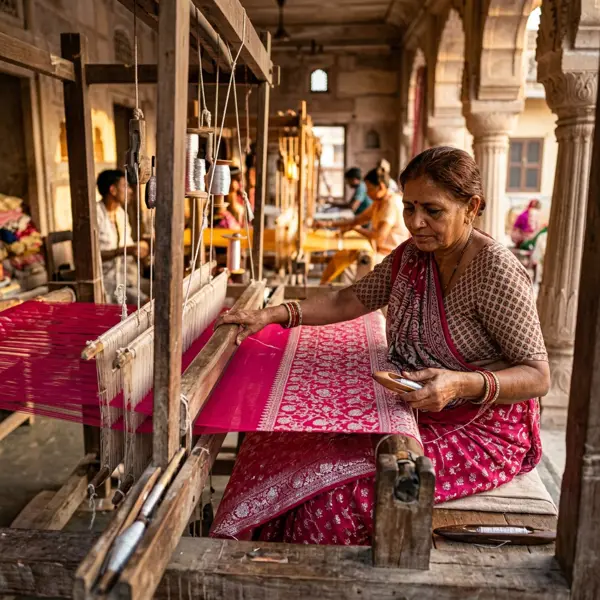
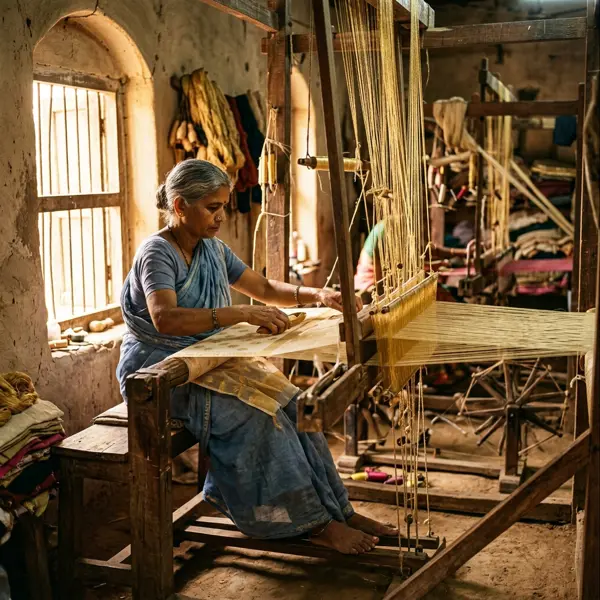
Tired of wearing the same old silk sari for every performance? While it is true that a traditional silk sari never loses its charm and beauty, why not choose a completely different fabric for your new sari dress. Chanderi sarees traditionally come from a small place in Madhya Pradesh called Chanderi and are now gaining popularity across India thanks to their intricate designs. Nine Meters of Surprise has always been everyone's favorite clothes. Chanderi is purely influenced by the silk fabrics or sarees of Chanderi, which are quite famous among the saree lovers of our country. Saree is known for its sophisticated beauty, unique texture, transparent qualities, lightness, colors and intricate patterns. Chanderi silk sarees have been called "woven air" due to their fragile structure and translucent appearance.Location :Chanderi's production has been preserved from India as a geographical indication. Chanderi is a small town located in the Vindhyachal mountain ranges near the Betwa River. Located in Ashoknagar district in Madhya Pradesh, Chanderi is known for its historical heritage and thrives with intense economic activity due to its strategic location in central India. Chanderi is the city of looms. The highest concentration of looms or bunker colony is located in the oldest part of the city known as "Bahar sheher" or out-of-town. You can easily hear the echo of work frames while exploring Chanderi's neighborhoods. Those expecting Chanderi also sponsored weaving. It was as if they knew that the fate of Chanderi is associated with the fate of the cloth they are woven.History :The history of Chanderi silk sarees seems to be linked to the history of Chanderi. It is said that Chanderi saris are mentioned in the Mahabharata period of the Vedic period. Whether the pearl-embroidered sarees mention the Mahabharata which indicates Chanderi sarees is a matter of debate and discussion, but the history of Chanderi Saree can be traced back to the 13th or 14th century AD. The Mughal period saw the golden period of weaving in Chanderi. There is an interesting story that says that once a part of Chanderi woven cloth was packed in a small bamboo cavity near Emperor Akbar. When the cloth was removed and exposed, the emperor was surprised to learn that this cloth could cover an elephant as well! Chanderi was a land known for the production of fine or muslin. The Maharani of Baroda also sponsored the Chanderi plot. It is said that she could recognize the beauty of the cloth by rubbing it on the cheeks and paying the weavers accordingly. High-quality Chanderi turban was produced exclusively for the Maratha rulers. Traditionally Chanderi products were famous as Dhakai Muslins and sometimes even better. Originally, Chanderi cloths were hand-held cotton warp and weft. But with the advent of the Industrial Revolution, the British imported cheaper cotton from Manchester and destroyed the Chanderi product market. With this, weavers use it as a warp using silk. Chanderi is still famous for its handloom. Chanderi saris influenced the women of India. Not only sarees but also Chanderi are now producing high-quality suits and dupattas.Making process :The fabric is made of the den, which is warp or long, a long set of threads through which the bana or weave is woven back and forth.Chanderi saree is woven on a loom by hand with the use of butis or design needles on cloth. Earlier, for weaving a saree, two weavers had to sit together. But nowadays, after the introduction of a fly shuttle loom, a person can weave a sari. The weaver is the community that does the actual weaving and lives largely on a subsistence level. Weavers purchase raw materials such as silk or cotton yarn from master weavers. They are primarily responsible for taking all orders and executing them.There are 3600 looms active in Chanderi and women participate actively in weaving.This stems from the fact that weavers should keep their hands soft. Women whose hands are naturally soft therefore are not allowed to do household chores out of fear that their hands will become stiff! Chanderi sarees are produced with three types of fabrics: pure silk, Chanderi cotton and silk cotton. The most common patterns found on traditional sarees are coins, floral art, peacock and geometric designs. A saree takes about ten days or more depending on the complexity of the design. The cost of sarees and materials also depends on the design. Chanderi silk sarees itself shows the experience of the weavers and hard work in the production of beautiful silk fabrics. Like most Indian handicrafts and handlooms in India, sarees and Chanderi fabrics are also a community-led event. The weaving of Chanderi saree is not just the production of clothes. It is also part of keeping ancient traditions alive.